Prayer with Regard to Religion
Of all the subjects of prayer, those concerning religion are among the most challenging. In such prayers, the hidden things of our hearts are laid bare. Do we approach the throne of heaven with pride, relying too much on our own understanding? Or do we come hesitantly, struggling to ask anything of God regarding another’s faith while wrestling with our own?
As we pray for Cyprus in the name of Christ, we must acknowledge His claim to be “the Way, the Truth, and the Life,” and that “no one comes to the Father except through Him.” Holding this confession, we can pray with both reverent humility and worshipful confidence for the many beliefs and faiths present in Cyprus.
The ways of life found in Cyprus are shaped by deeply held narratives, beliefs, and traditions concerning the divine. As with all people, these form a significant part of cultural identity. People cherish and fiercely protect their beliefs as they would their very selves.
In the Gospel of John, chapter four, Christ speaks with a Samaritan woman at a well. There, He challenges her faith tradition: “You Samaritans worship what you do not know; we worship what we do know…”. In this exchange, rich with references to both shared and distinct traditions, Christ makes clear that one may worship according to tradition without truly knowing God or the worship He desires. He then points to something revolutionary—not worship rooted in place or inherited practice, but worship rooted in Spirit and Truth.
We can and must pray for our neighbours who do not believe as we do, longing for them to know the Truth Christ is, and the truth His way of life reveals. Such prayer is not pride; it flows from reverent devotion to Christ’s own teaching and His claim to be “the Truth.”
Prayer itself is an act of faith, trusting what God has revealed about Himself. Therefore, we come humbly, yet confidently in Christ, seeking the good of our neighbours. We may ask that they come to know and worship God as He is revealed in Christ Jesus. To pray this way is not arrogance—it is love born from a heart transformed by the nature of God revealed in Christ.
Scripture affirms this: “This is good, and pleases God our Saviour, who wants all people to be saved and to come to a knowledge of the truth” (1 Timothy 2:3–4, NIV). Christ also said, “I have come that you may have life, and have it abundantly.” His purpose—and ours—must be the same.
As we pray for the religions and beliefs influencing Cyprus, we remember that He is the Life He came to give. The Way He shows and the Truth He reveals are the source of that abundant life—a life we begin to experience now, a foretaste of eternity.
When we pray, “Your kingdom come, Your will be done in Cyprus as it is in heaven,” we are asking for His Way and His Truth to be revealed in every aspect of Cypriot life. We trust that the abundant life of Christ meets both the spiritual and practical needs of the people.
Our own experience of this life becomes the foundation of our worshipful confidence. We pray with humility, rooted in Christ’s Way and Truth, because they have led us from half-life to fullness in Him. We long for that same grace—the beauty and goodness it awakens—to be made known to our neighbours as well.
So let us pray with reverent humility and worshipful confidence for God’s Way, His Truth, and His Life to touch every part of Cypriot life shaped by belief and religion.
Prayer Prompt
Begin by reading through the page. Then take time to pray for each religious community on the Island. Pray that the ways of Christ be known and loved by all in cyprus. Pray that the people of Cyprus would love the Truth and seek it above all else letting it influence all they do. Pray for the people of Cyprus’ capacity to worship to become a source of God’s abundant life for the peoples of Cyprus. Likewise please pray for this capacities’ protection from distortion and weaponisation by various political agendas.

Christianity
South Cyprus 77% / North Cyprus >1%
Island Wide 73%
(All % are educated estimations)
Autocephalous Orthodox Church in Cyprus
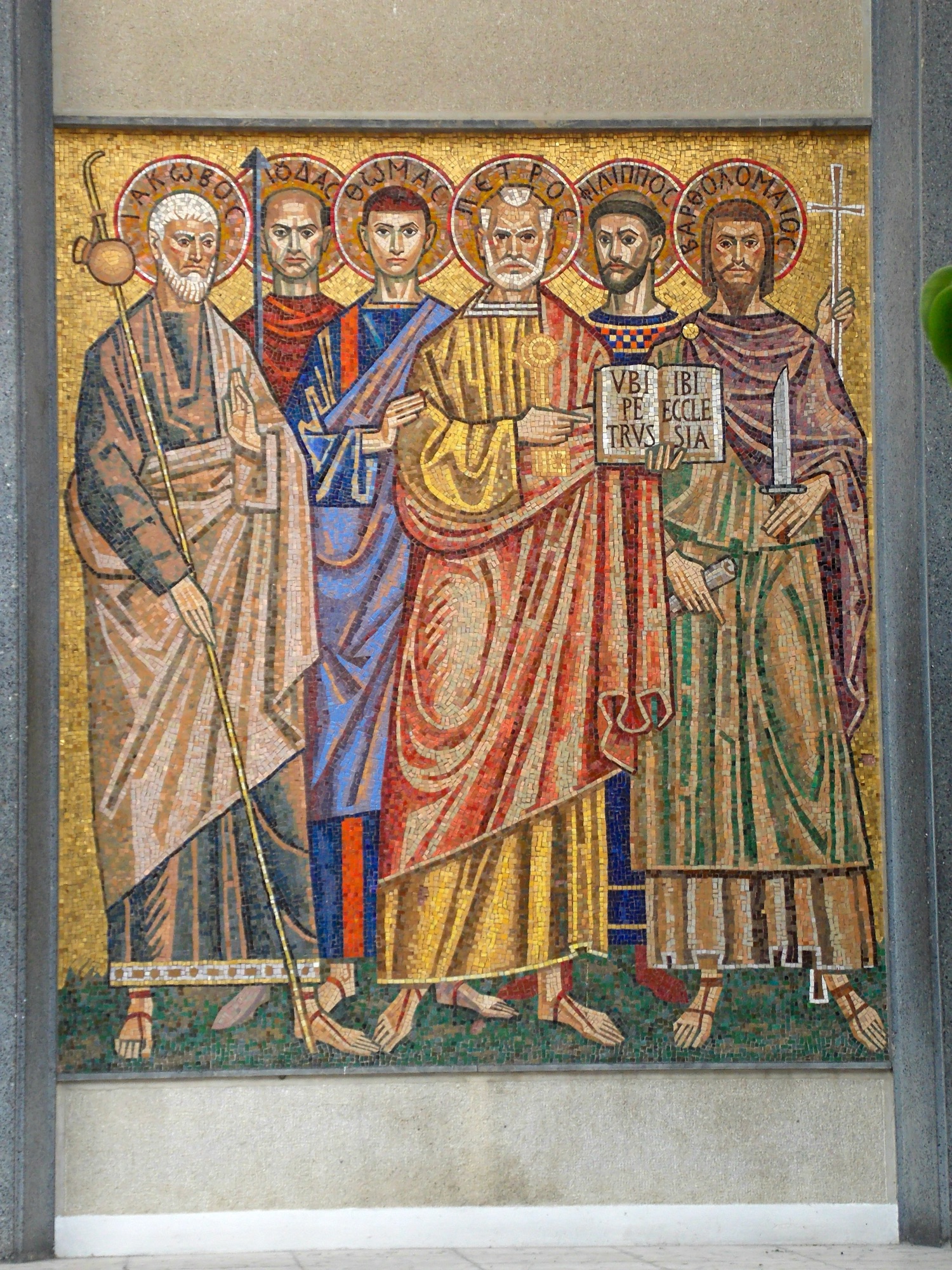
By far the most prominent religious presence in Cyprus is the Orthodox Church of Cyprus, which practices the Greek rite. Its members make up over 70% of the island’s population. The Church’s roots reach back to the very first missionary journey of the apostles Paul and Barnabas, and representatives from the Church of Cyprus were present at various ecumenical councils (such as the Council of Nicaea) where key elements of Christian doctrine and practice were established.
Today, it is estimated that about 300 members of the Cypriot Orthodox community reside in the north of Cyprus, while the vast majority live in the south. Although the Church of Cyprus is not formally involved in politics, it remains highly influential within the Republic of Cyprus. In the north, while still generally respected, it cannot be considered politically or socially influential due to a variety of local factors.
The Church of Cyprus is also a major landowner, with significant holdings in both the north and south. This places it at the center of the highly controversial issue of land rights in a divided Cyprus.
Catholic Church of Cyprus
Latin
The Latin Church of Cyprus traces its roots to 1196, when the Frankish King of Jerusalem, Guy of Lusignan, purchased Cyprus from Richard the Lionheart. Although now a small religious minority—comprising just over one percent of the island’s population—the Latin community once held significant power and influence during the Frankish and Venetian periods, even exercising authority over the Orthodox community.
Following the Ottoman invasion of Cyprus and the displacement of its Latin rulers, the Latin community experienced a marked decline. In recent years, however, immigration has contributed to a gradual increase in the number of Catholics on the island.
Today, the majority of the Latin community resides in the south, with a few hundred estimated to live in the north. In the parliament of The Republic of Cyprus, Latins are represented by Mantovani Antonella. In the north, there is no formal representation for the Latin community, as the government identifies itself as a “secular republic,” theoretically ensuring equal rights for all residents regardless of religion.
Maronite
The Maronites of Cyprus arrived in the 7th century from what is now modern-day Türkiye, fleeing persecution there. They settled primarily in the northwest of the island, and their migration continued in later centuries—especially after the fall of the Crusader states and the growing influence of the Latin Church under the rule of Guy of Lusignan. Although the Maronites once made up a significant portion of Cyprus’s population, their numbers declined under Ottoman rule, leaving them a minority today.
Despite the island’s division, the Maronite community maintains a continuous presence in its traditional villages in the north. While much of the community now resides in the south, some members live full-time in the northern villages, and many others travel freely between the two sides. In the Republic of Cyprus, Maronites are represented in parliament by their elected official, Moussas Yiannakis. Like the Latins, the Maronites have no formal representation in the north, where the government identifies itself as a “secular republic.”
Armenian Church
The Armenian community has been present in Cyprus since the fifth century B.C. to one degree or another with the population varying in number due to immigration too and from the Island. In Cyprus early history the Armenian population played a key role in defence and commerce in Cyprus and continues to be an influential part of Cypriot life today. While there is little or no armenian presence in the north, in the south there is a large and active Armenian community. Armenians as a recognised religious minority on the Island are also represented in parliament by their elected official Mahdessian Vartkes. Like the Latins and the Marrionites the Armenians have no formal representative in the north as the government of the north was established to be a “secular republic”.
Anglican and Protestant Churches
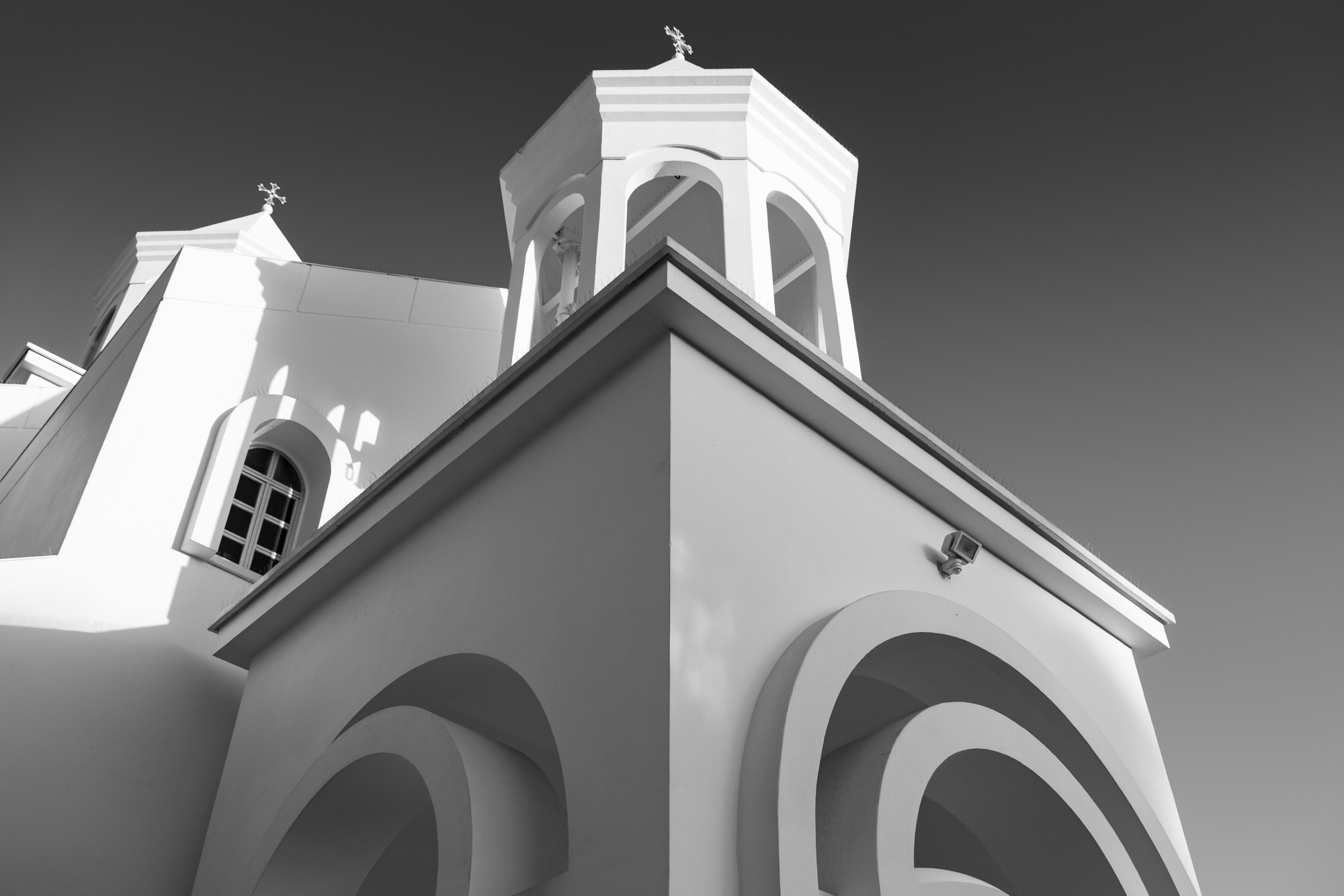
The Anglican Church has had a presence in Cyprus since 1878, when the island came under British rule. Today, the Anglican community maintains churches in most major cities, with congregations located in both the north and the south. Its congregations are largely composed of expatriates, seasonal residents, and English-speaking locals, giving it a distinctly international character. The Church also engages in various charitable and community-focused activities, often cooperating with other Christian groups on the island.
The Protestant church, represented by various evangelical congregations across the island, is diverse and is composed largely of expatriates. In the North, there is a small Turkish-speaking Protestant community comprised both of Turkish Cypriot nationals and foreign residents. Protestants have a greater presence in the south, where many communities are well established and active in most major cities. Most congregations operate independently, reflecting the decentralised nature of global Protestantism. Because traditional religions hold a prominent place on the island, Protestant groups—being relative newcomers—have at times reported various forms of non-cooperation and less frequently outright animosity from local authorities in both the north and the south.

Islam
North Cyprus 98% / South Cyprus 2%
Island Wide 25%
(All % are educated estimations)
Sunni
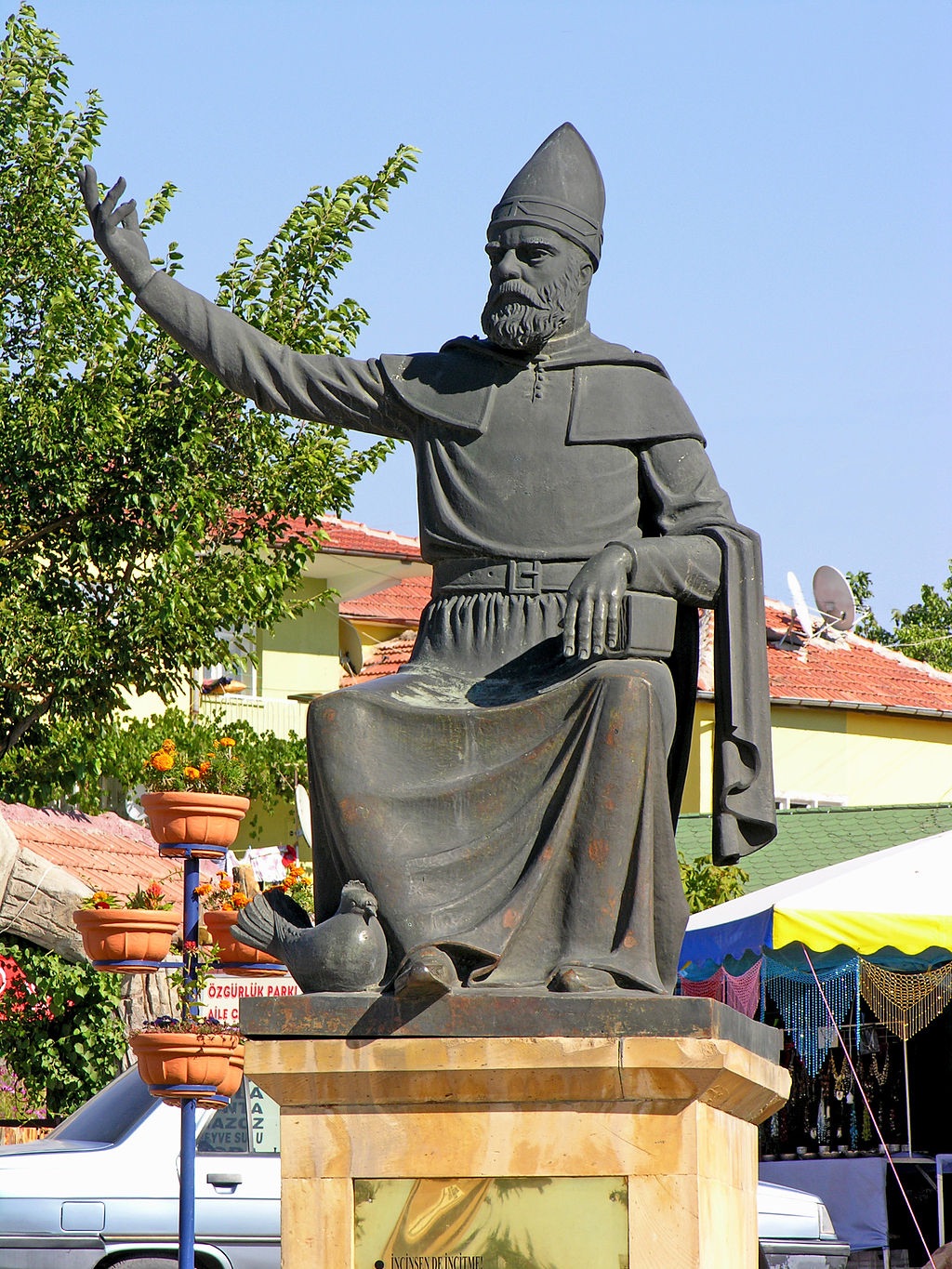
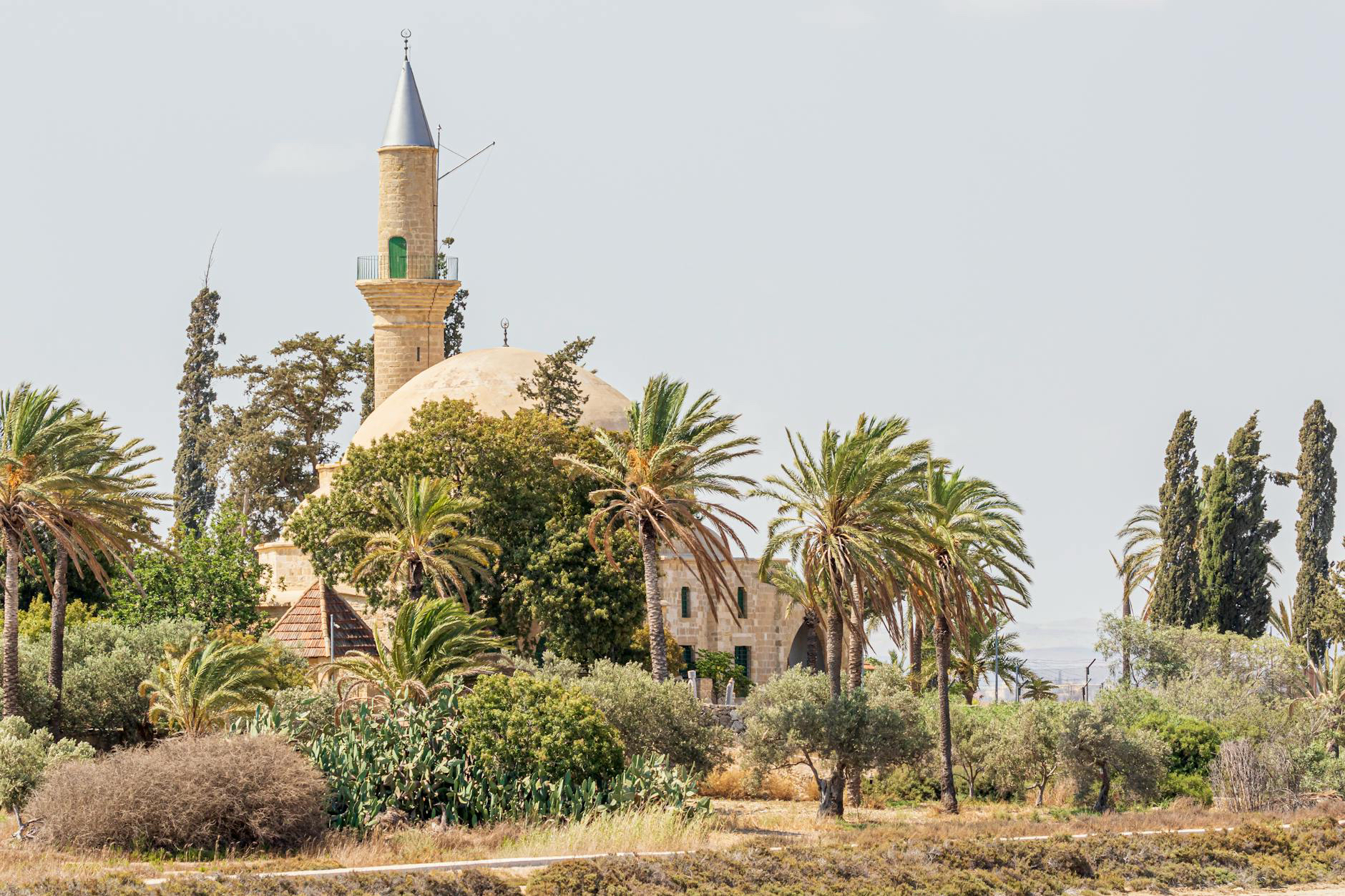
Sunni Islam has had a presence in Cyprus since 649 A.D. when it was brought by arab invaders of the Ummaydı Caliphate and possibly companions of muhammed himself. However, the influence of islam in Cyprus became most significant after the ottoman invasion in 1571. The majority of the islands Sunni population reside in the North with only a small percentage residing in the south. Sunni muslims in Cyprus come from a variety of different backgrounds, some are local Turkish Cypriot nationals, whereas others are migrants from Turkiye and other countries. In the north the predominantly Sunni populations influence on society and politics is greatly influenced by “secularism”or the government not declaring an official religion or being guided by religious principles. However, like the orthodox church in the south the Sunnis of the north, are politically influential simply because the majority opinion is theirs. The Department of Religious Affairs, an extension of its Turkish Counterpart, is the only state recognized entity for religion and is a Sunni institution by all rights. This Sunni political entity while recognising the orthodox, catholic, and Armenian faiths and granting them legal standing does not formally recognise any other religious group. In the south while relations are amicable the social and political influence of the Sunni minority is minimal.
Sufi
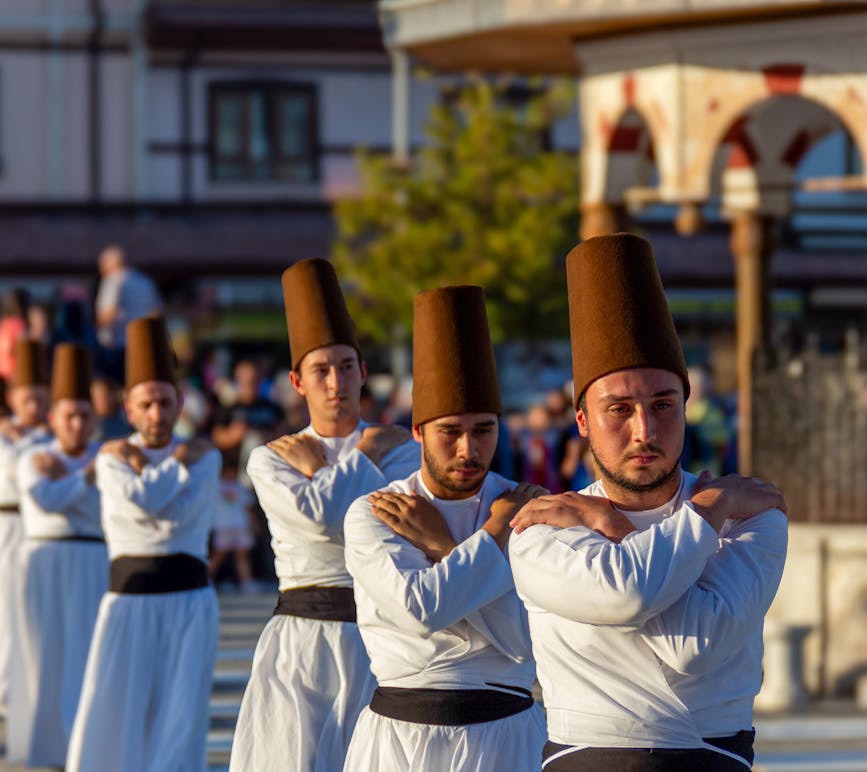
Sufi islam while always being a minority on the island and now only comprising 0.17 % of population in the north is believed to have had great influence on the history of Islam in Cyprus. The first sufi presence in Cyprus is traced to the arrival of the ottomans and despite its decline never disappears from the Cypriot religious spheres. Today, a sufi presence is maintained with the Dergah of Mawlana Shaykh Nazim being one of the most well known Sufi presences on the island. Sufi Islam in the north, as is the case for all minority religions there, has legal standing only as an association equivalent to a non-profit organization in the west or europe.
Alevi
The Alevi population of Cyprus also traces its roots back to the Ottoman conquest of cyprus in 1570. Some scholars believe that the Alevi faith has been highly influential in Cyprus helping to shape the practices of the traditionally muslim Turkish Cypriots. Today about 3.5 % of the total population in the north are Alevi muslims. Alevi Islam is also an unrecognised religious group on the island of Cyprus and has no formal legal representation within the government.

Religious Minorities
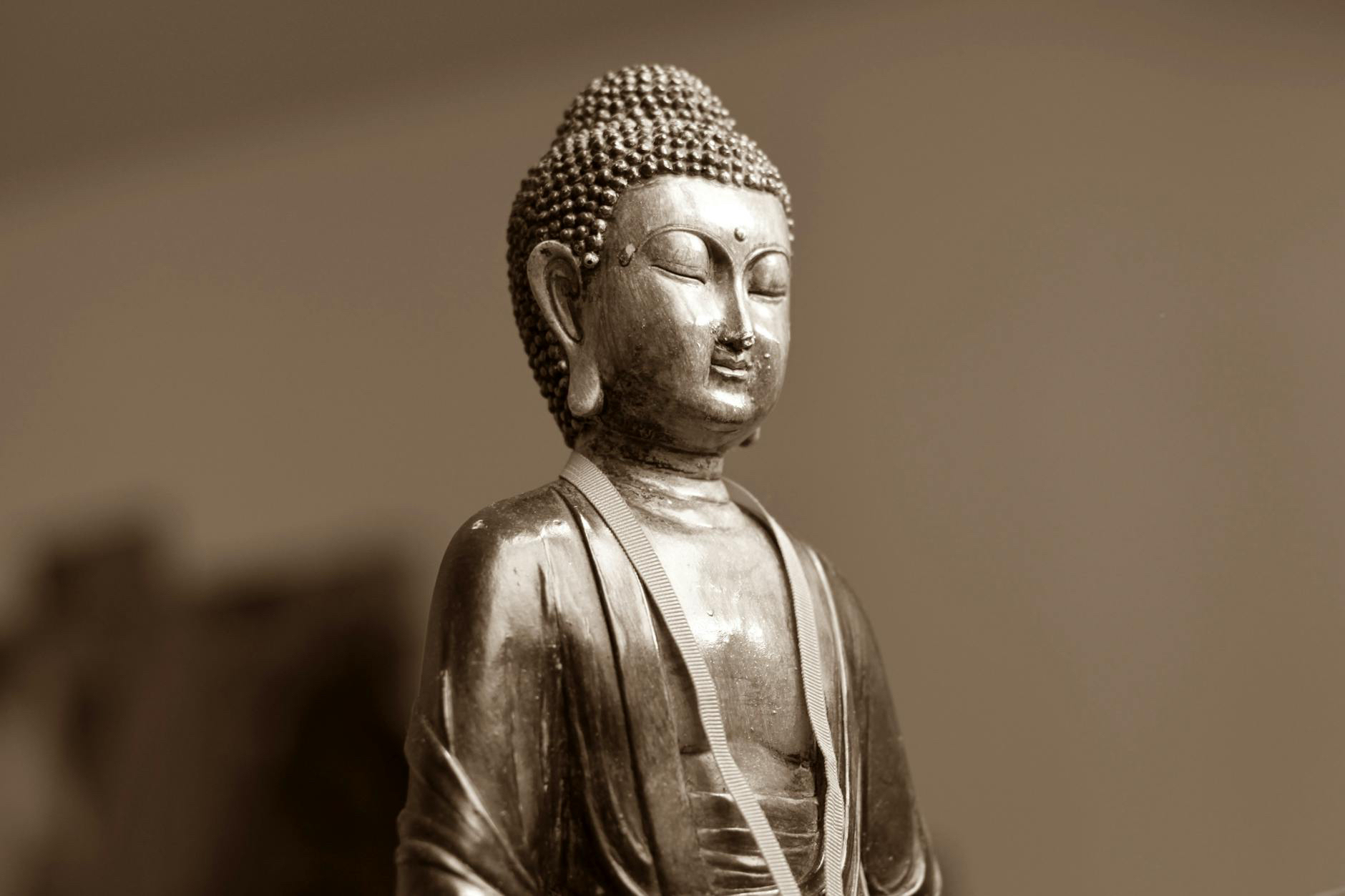
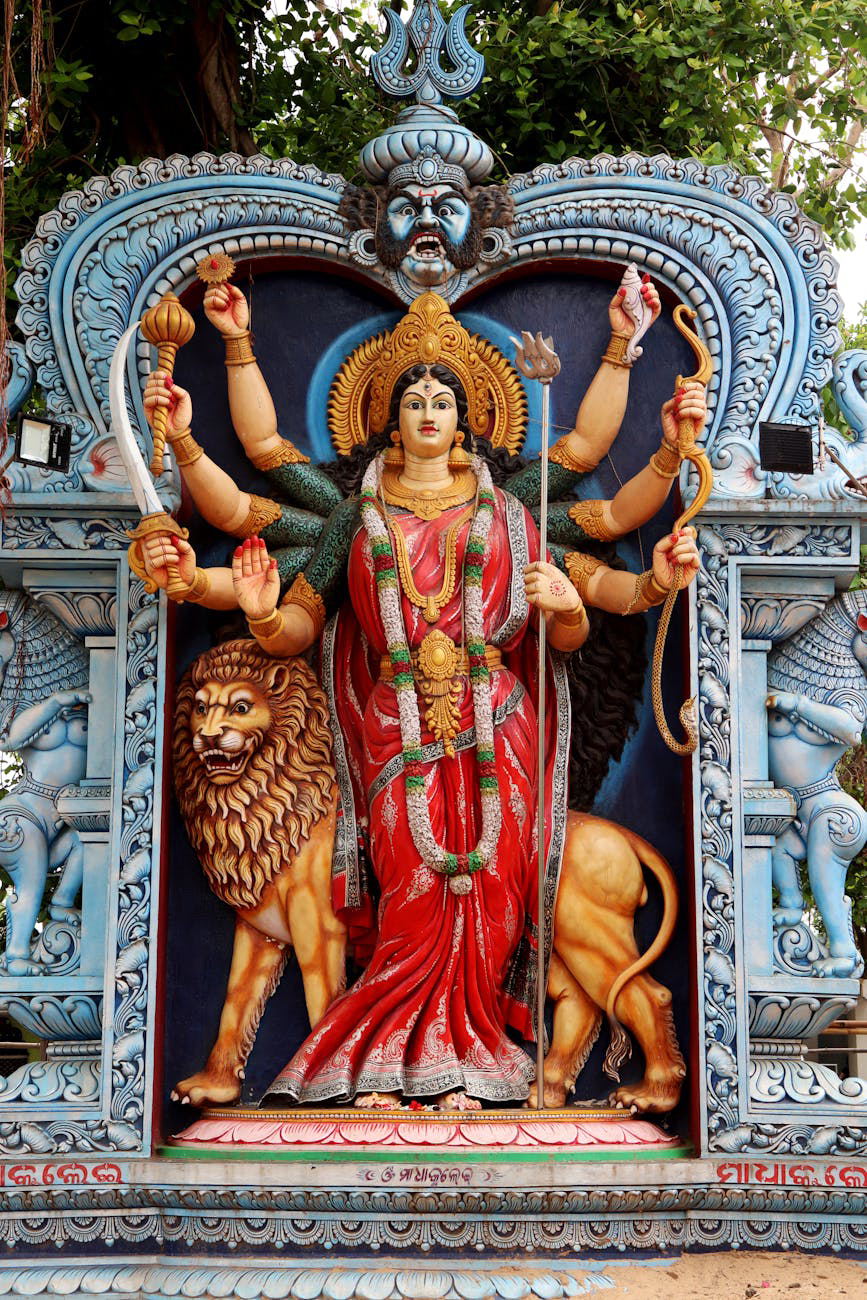
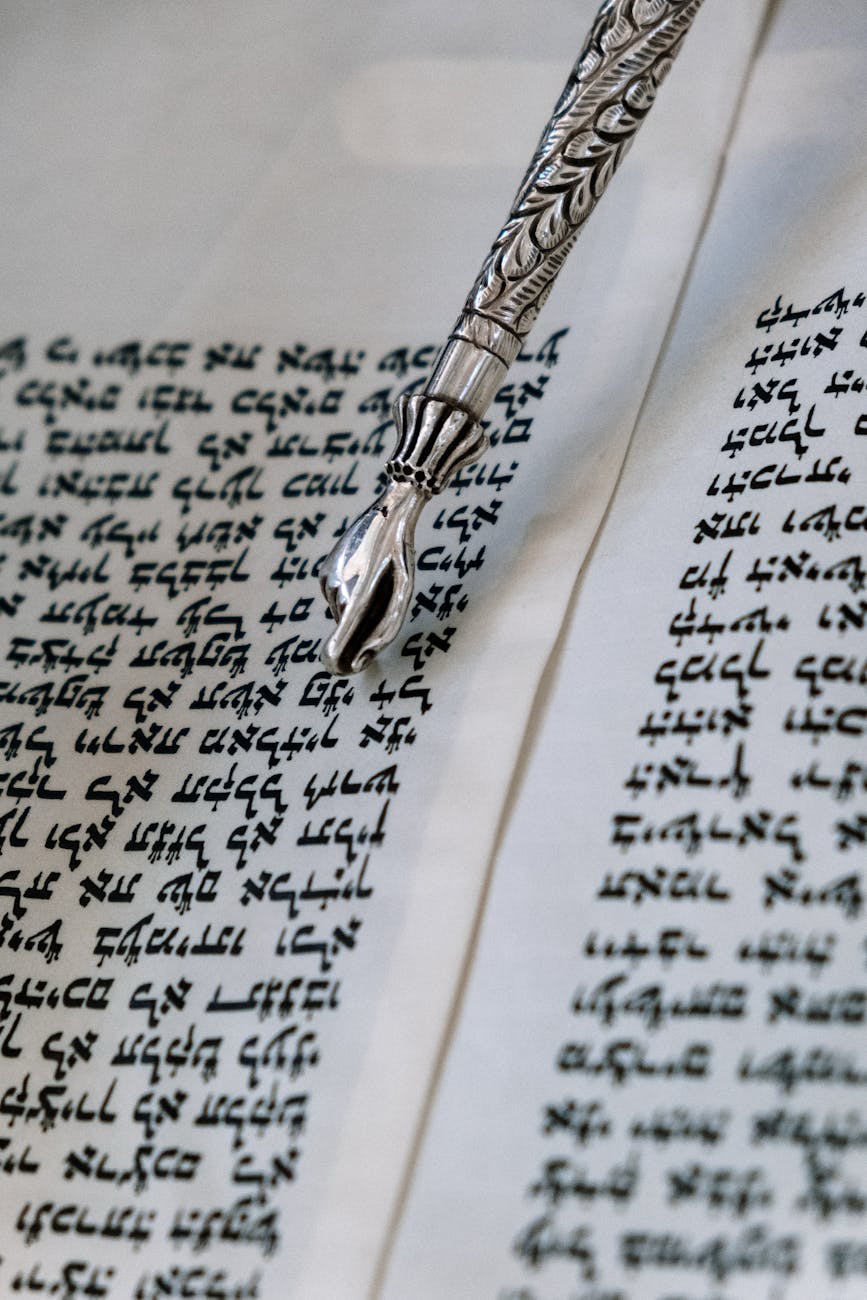
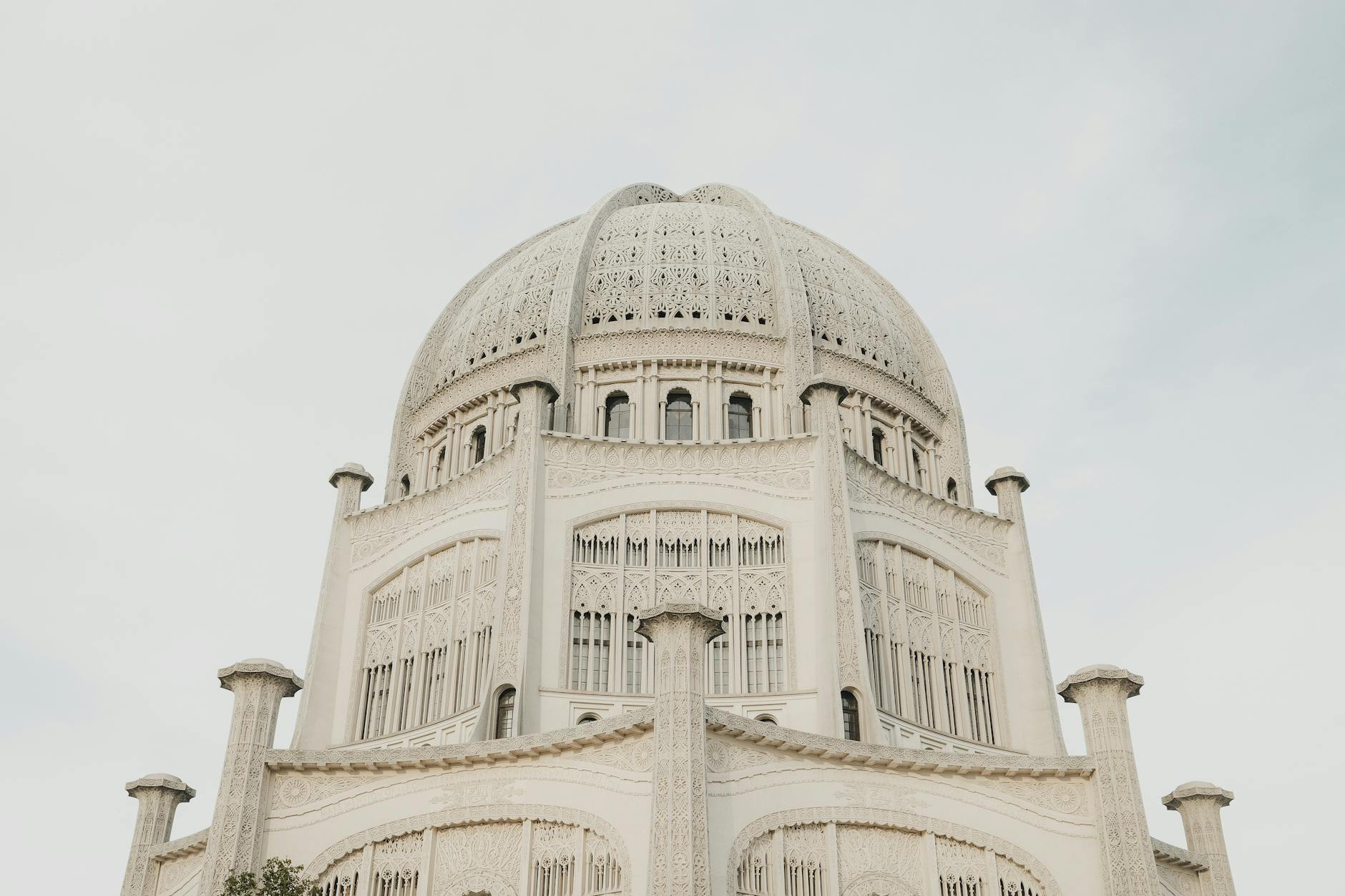
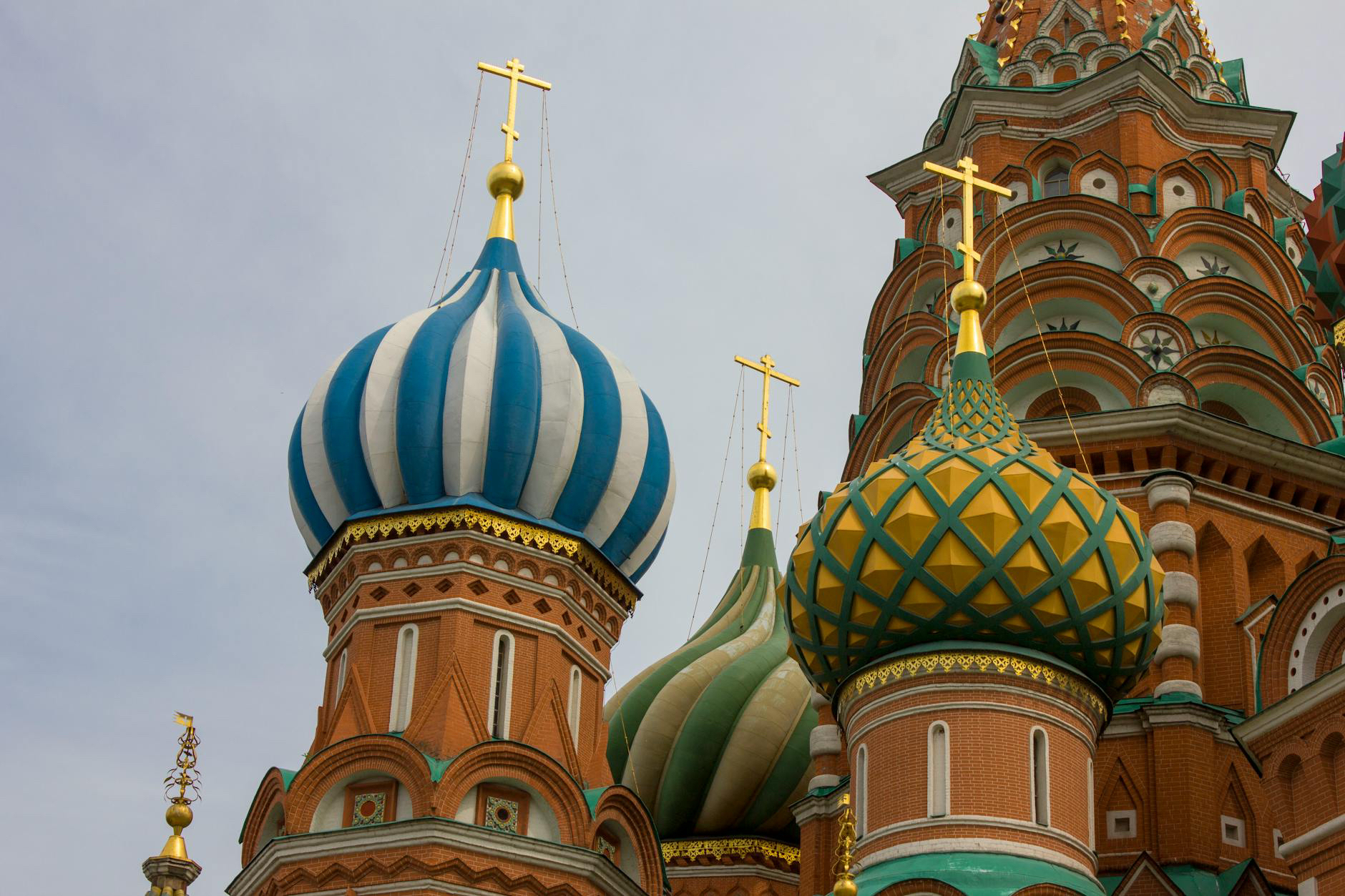
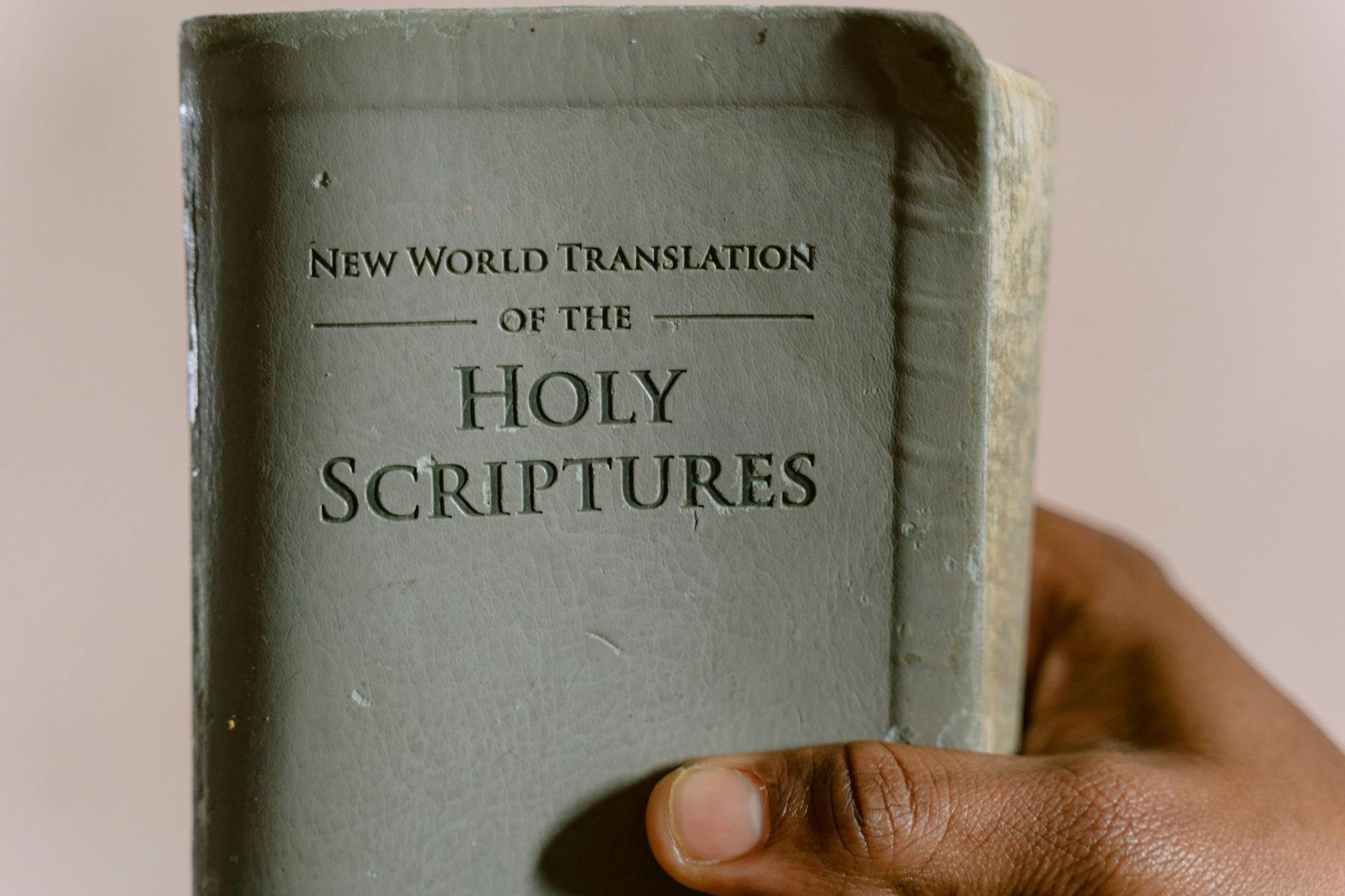
Buddhism, Sikhism, Hinduism, Jehovah’s Witness, Judaism, Russian Orthodox, Baha, Atheism, and Irreligion
The island of Cyprus has always been a crossroads for the world and the presence of a variety of different religions on the island is a clear indicator that this is still the case. Many of the minority religions on the island are those practiced by students, immigrants, or seasonal workers from all over the world. Their relatively small numbers, the fact that many of their practitioners hold temporary residency, and their lack of permanent places of worship limit these minority religious communities influence in Cyprus. Among the minority communities some of the largest are the Buddhist and Sikh communities.


The Religious Climate of Cyprus
Difficulties in the North
While personal practice of religion in Northern Cyprus is generally tolerated, minority religious communities often face restrictions on public engagement or open expression of their faith, sometimes even facing legal constraints. One such common restraint is that the Government of the North, a secular republic modeled after Türkiye’s government, officially recognizes certain religious communities and regulates there role in social life thought The Department of Religious Affairs or Dianet.
Unrecognised religious minorities, often face significant challenges. One such challenge is the difficulty of obtaining status as an “Association,” which is the legal framework that allows communities to secure meeting places and assemble lawfully. This difficulty is often compounded by religious or cultural biases within the governmental bodies processing such applications as their discrimination is obscured by the ambiguity of legal process.
Difficulties in The South
The Government of the South, as a member of the European Union, is bound by EU laws and provides a high degree of freedom for religious expression. Nevertheless, some sources note challenges similar to those in the North, particularly for minority communities seeking government approval to build houses of worship. Delays in permissions have reportedly forced the cancellation of meetings. In the South as in the North, underlying biases appear to continue influencing bureaucratic processes.
Religion and Conflict in Cyprus
For millennia, shifts in political power across Cyprus have been accompanied by corresponding changes in the influence of its religious communities. Among these, Christianity and Islam have exerted the most significant impact, as various empires and states competed for control of the island. Over time, life in Cyprus became increasingly shaped—and at times divided—by these religious affiliations, which also came to serve as markers of ethnic identity: Greek Cypriots identified primarily as Christians, while Turkish Cypriots identified as Muslims.
As successive Christian and Muslim powers sought to consolidate control over Cyprus, religious distinctions became tools of political authority and social organization. Under Ottoman rule, this dynamic was institutionalized through the millet system, which granted non-Muslim communities a degree of self-governance. Within this framework, the Ottoman Caliphate permitted Christian subjects to appoint their own religious leaders and maintain courts and administrative structures separate from those of the Islamic state. However, these privileges were tempered by the imposition of special taxes and a subordinate social status.
Even under British rule, the dynamics between religion and ethnicity continued to shape Cypriot social identity. The colonial administration further entrenched the association between ethnic, religious, and political belonging when they strategically relied on the minority Turkish Muslim population to counterbalance the politically active Christian Greek majority and to suppress their growing movement for self-determination. As local and regional tensions intensified, political affiliation increasingly came to be assumed along ethnic and religious lines. Many individuals found themselves, either by circumstance or coercion, absorbed into the dominant political positions of their respective communities.
Soon after, Greek Christian Cypriots established militant political groups to pursue their nationalist objectives, prompting Turkish Muslim Cypriots to form similar organizations in response. As a result, both communities were drawn into conflict largely along ethnic and religious lines. Religion, therefore, played an enduring and often divisive role in Cypriot history and remains deeply interwoven with the island’s collective social psyche, continuing to influence Cypriot identity today. This dynamic finds its most visible expression in the island’s physical division between the predominantly Greek Christian south and the Turkish Muslim north.
However, it is important to recognize that this division has never been, and is not, universally desired. Many Cypriots, regardless of ethnicity or religion, have long sought to live in peace, seeing one another simply as fellow Cypriots. At the same time, mistrust and resentment persist on both sides, often reinforced within the Islamic and Christian communities, with their distinct political and ethnic affiliations.

 Pray4Cyprus
Join us and share your prayers …